
Mozarabic Way of St. James in Villaharta
The Mozarabic Way of St. James (Camino Mozárabe de Santiago) is one of the oldest and most fascinating pilgrimage routes on the Iberian Peninsula. Historically used by Christians living in Al-Andalus territory (the Mozarabs), this ancient itinerary connects southern Spain with the Vía de la Plata, eventually converging toward the holy city of Santiago de Compostela. Today, it is a living path that recovers the memory of those first pilgrims.
Passing through the province of Cordoba, the route leaves the countryside to enter the heart of Sierra Morena, finding an essential refuge in Villaharta. Our municipality not only offers a well-deserved rest before continuing towards the Los Pedroches region, but also gifts the walker with immense landscapes of Mediterranean forest, paths bathed by ancient streams, and the opportunity to discover the rich legacy of our mineral-medicinal water springs. A stop where tradition, nature, and hospitality go hand in hand.
Stages of the Camino through Villaharta
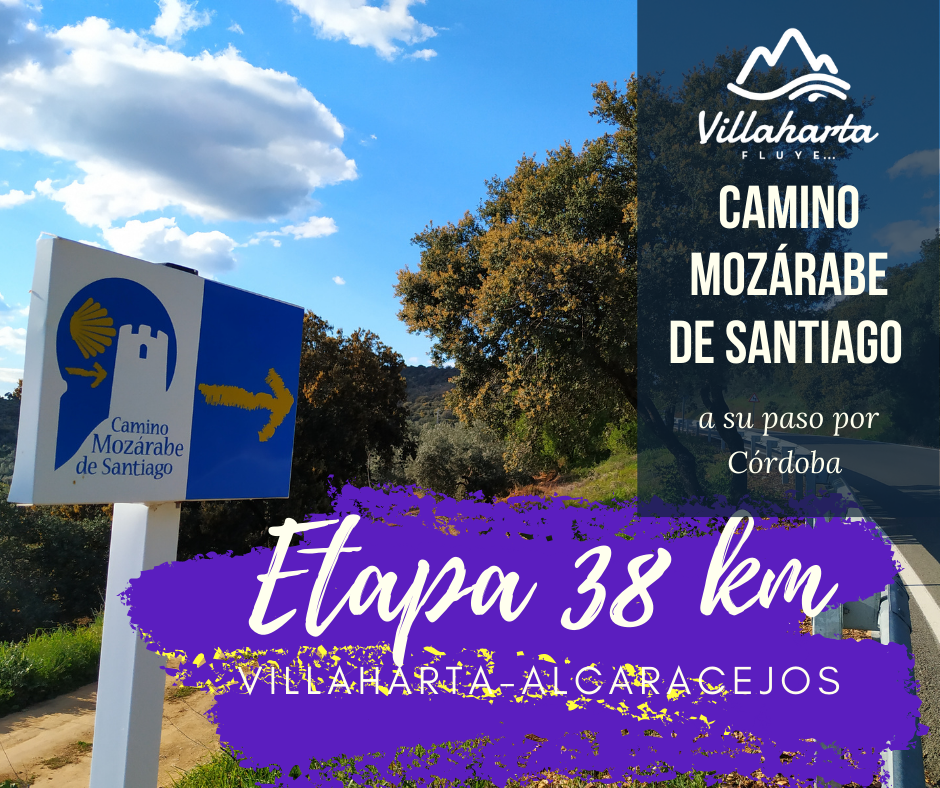
Stage: Villaharta – Alcaracejos
This stage departs from Villaharta on an ascent, entering landscapes of Mediterranean scrubland, holm oaks, and olive groves. The route crosses the waters of the Guadalbarbo River and the Arroyo del Lorito, overcoming the last foothills of Sierra Morena through the Puerto del Calatraveño mountain pass.
From here, the landscape changes radically, opening up toward the immense plains of the Valle de los Pedroches. The final stretch advances along the historical Cañada Real Soriana, fording the Cuzna River next to the ruins of the Molino Horadado (Hollowed-out Mill), until finally reaching the town of Alcaracejos.
Download PDF Guide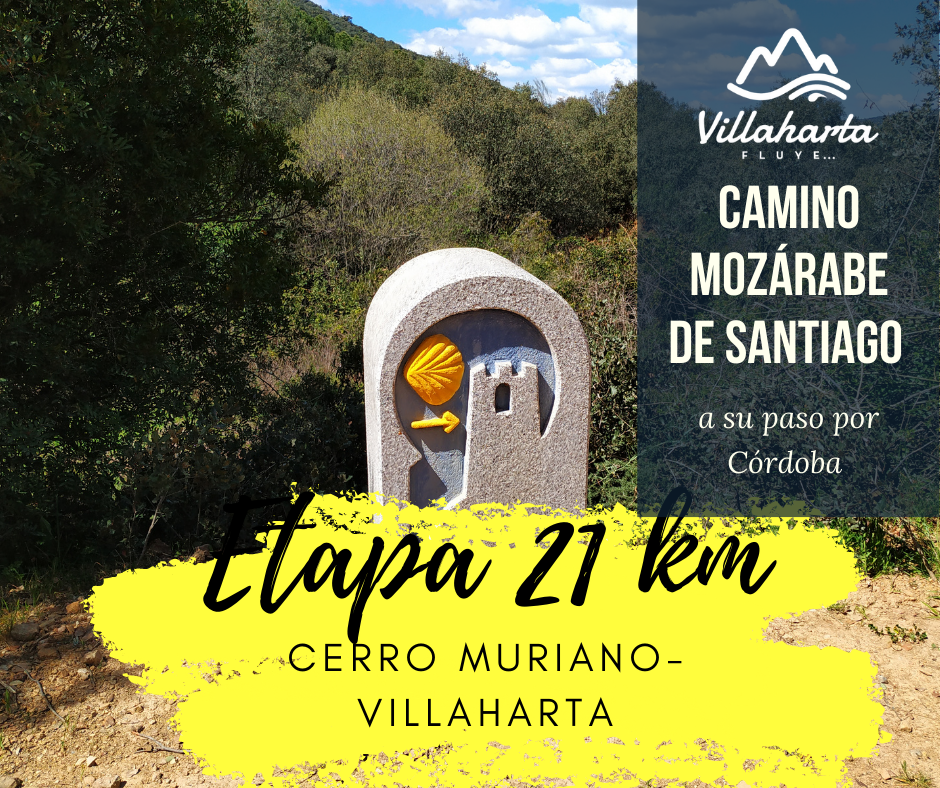
Stage: Cerro Muriano – Villaharta
The day starts in Cerro Muriano, moving parallel to the old railway line towards the north to enter an environment overflowing with rockroses and holm oaks. After crossing the Guadiato Valley and leaving behind the hamlet of El Vacar —imposingly guarded by its Muslim castle— the route once again embraces the dense Sierra Morena.
The final stretch rewards us with the descent through the Cuesta de la Matanza, where the pilgrim will be greeted by the famous ferruginous water springs of Villaharta (El Cordel and Malos Pasos), culminating the stage in our cozy mountain municipality.
Download PDF GuideThe pilgrim’s rest
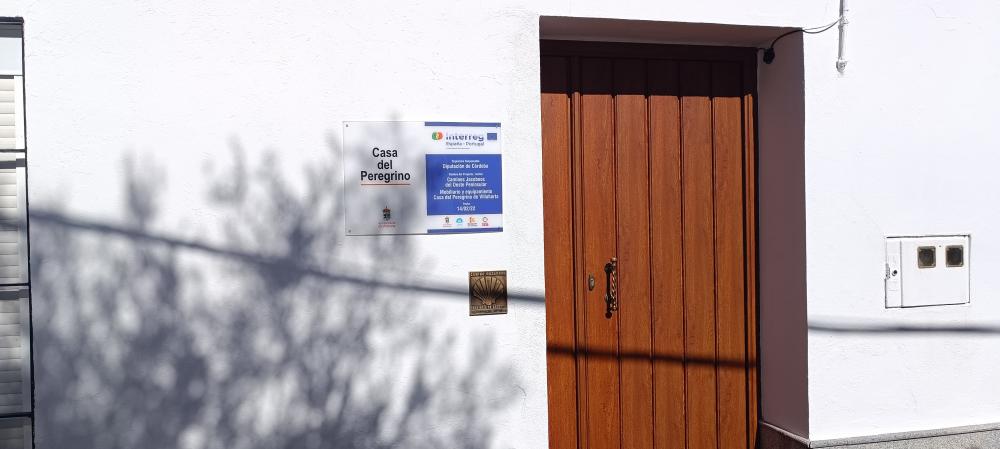
Accommodations for the Camino
Replenish your energy after the stage in our municipal pilgrim hostel or in cozy rural accommodations with all the mountain charm.
View accommodations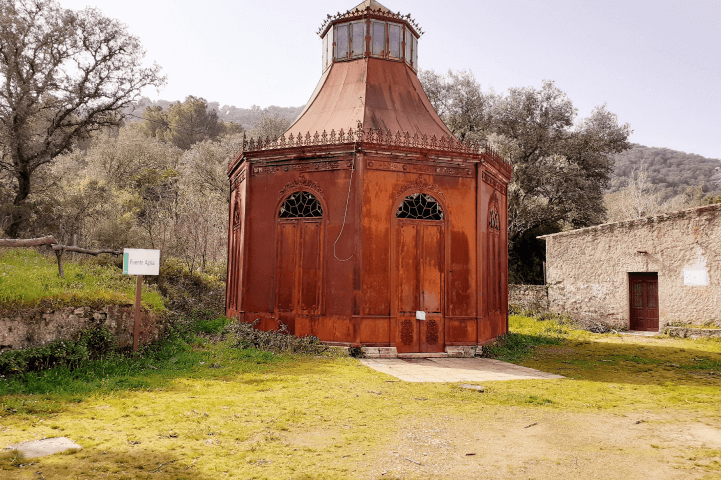
What to see in Villaharta
Discover the historical heritage of the municipality, stroll through the old pavilions of the sour waters, and let yourself be captivated by its corners.
Explore the town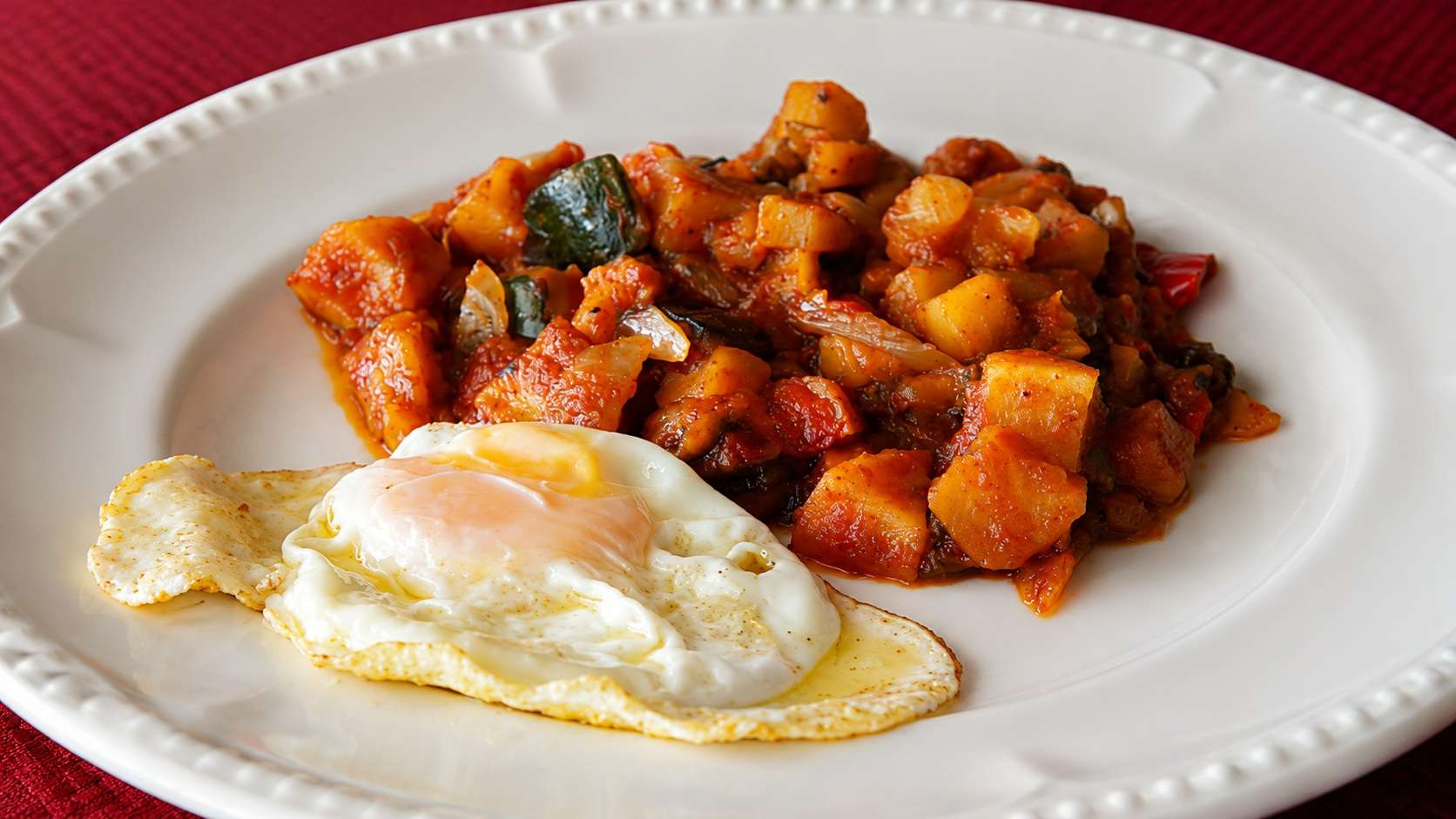
Where to eat
Taste the authentic gastronomy of Sierra Morena. Game meats, Iberian pork, and traditional recipes perfect for recovering energy.
Discover restaurants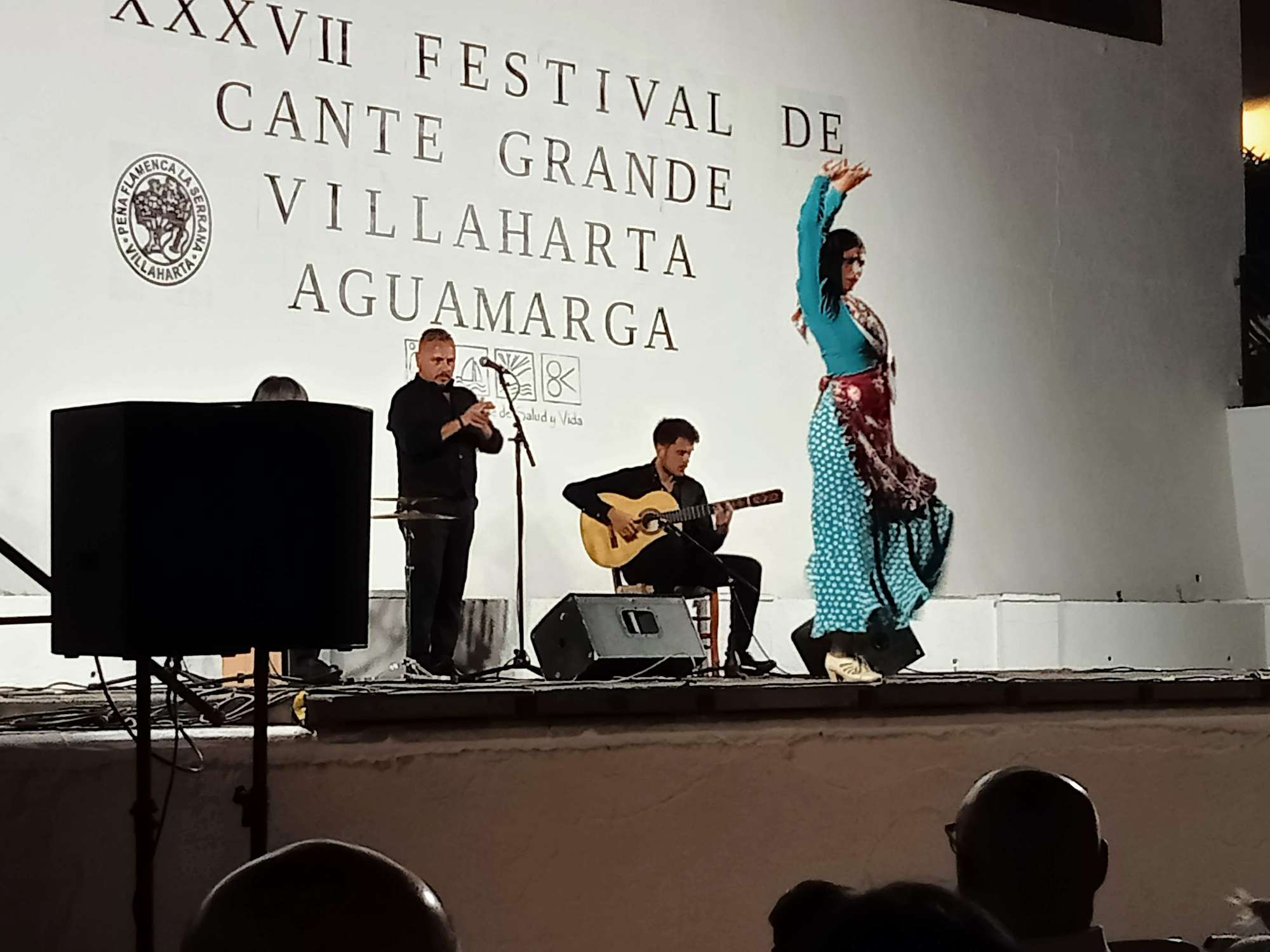
Festivals
Immerse yourself in local culture. Fairs, pilgrimages, flamenco, and outdoor activities to enjoy Villaharta all year round.
See program