Hiking in Villaharta
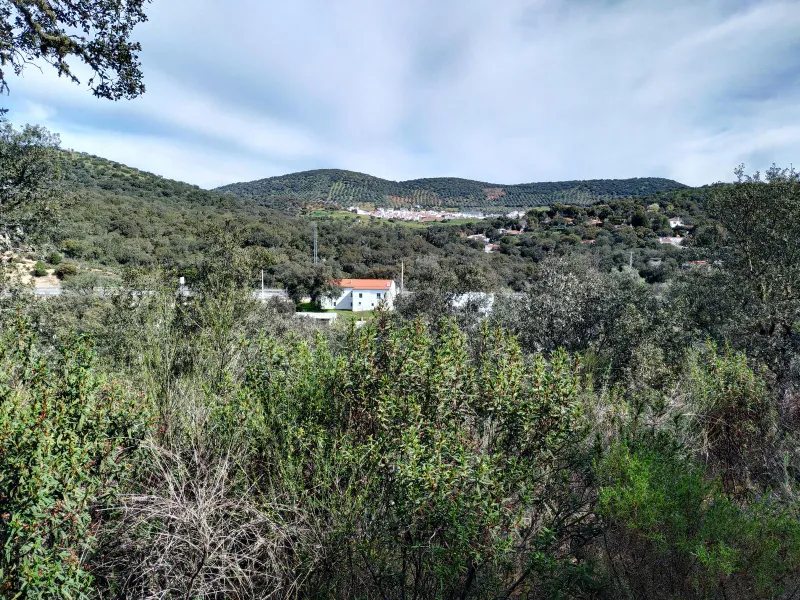
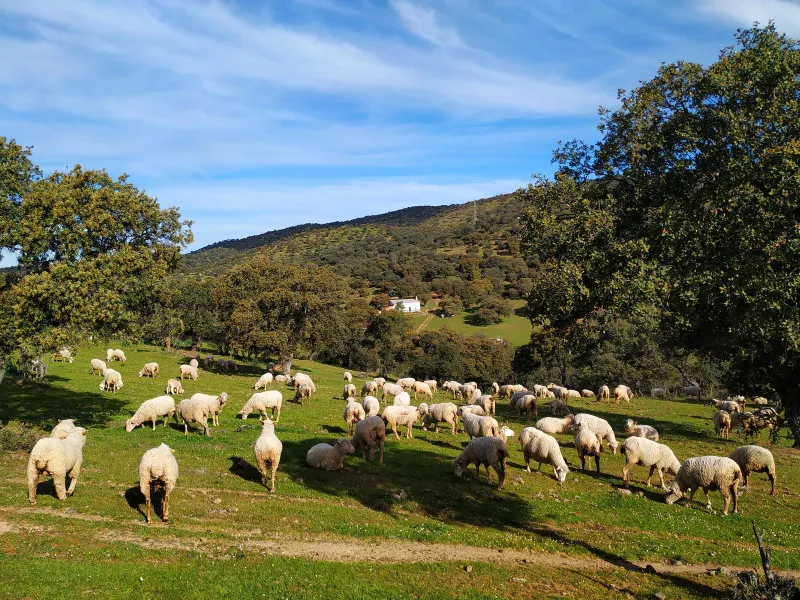
Discover trails through pastures, Mediterranean forests, and landscapes of Sierra Morena. Routes to connect with nature, breathe fresh air, and explore the most authentic essence of Villaharta.
Hiking Trails
Find the perfect itinerary through the nature and history of Villaharta
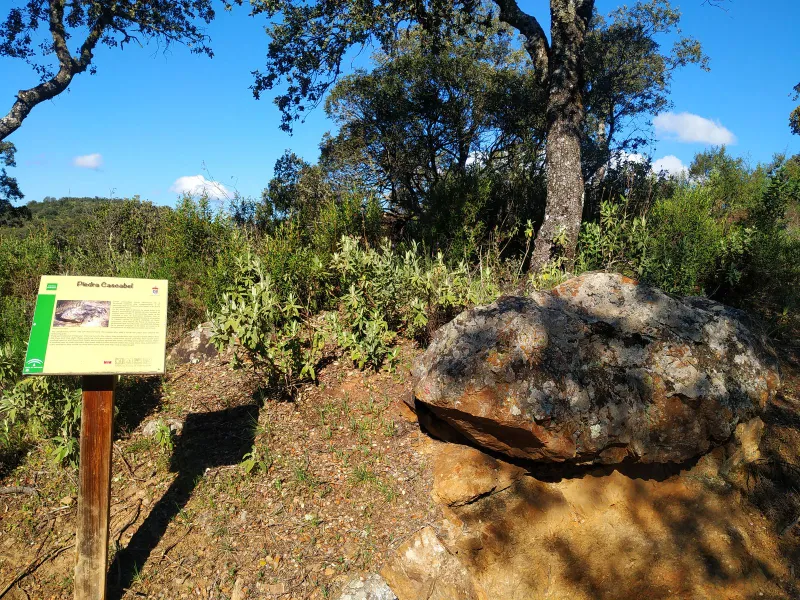
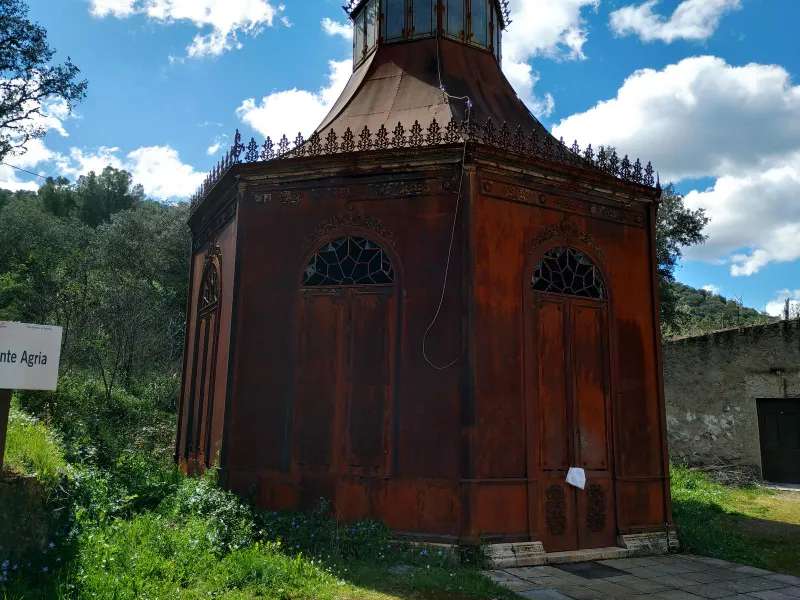
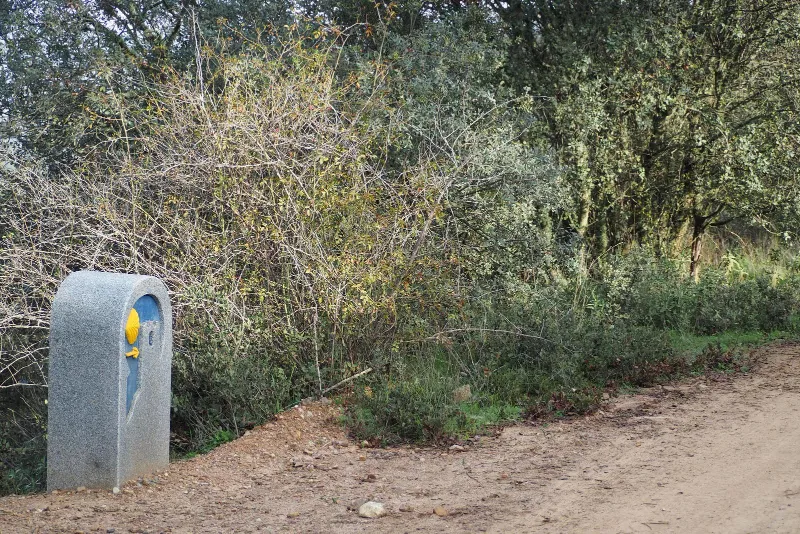
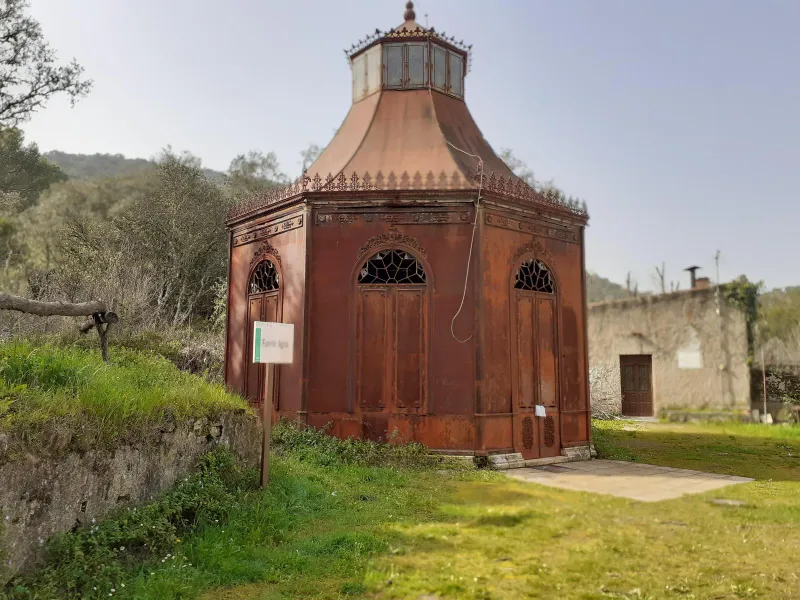
Route of the Sour Springs I (Fuente Agria Spa)
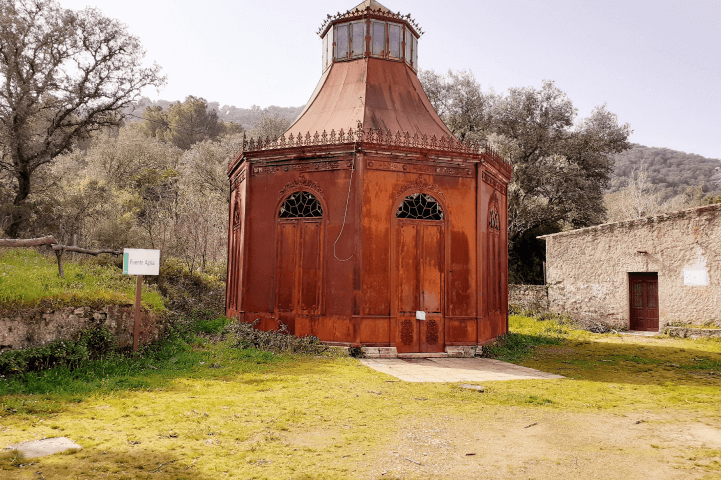
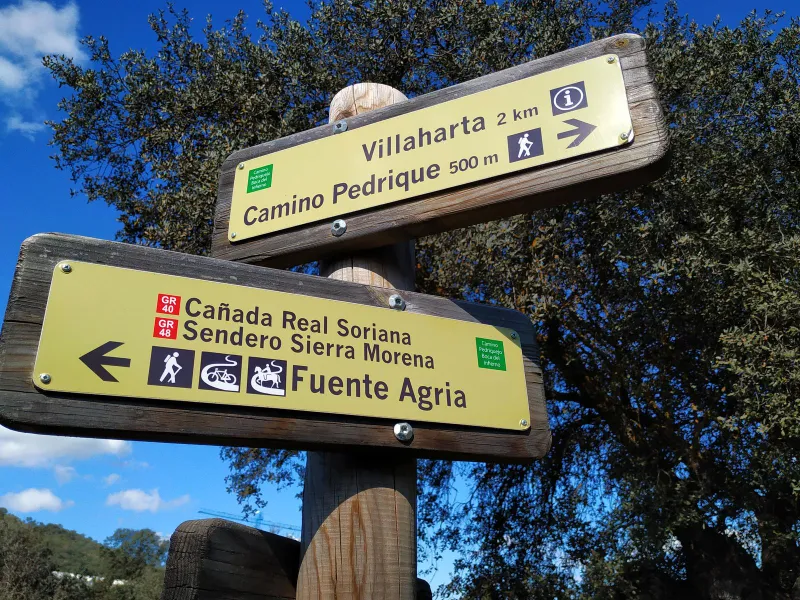
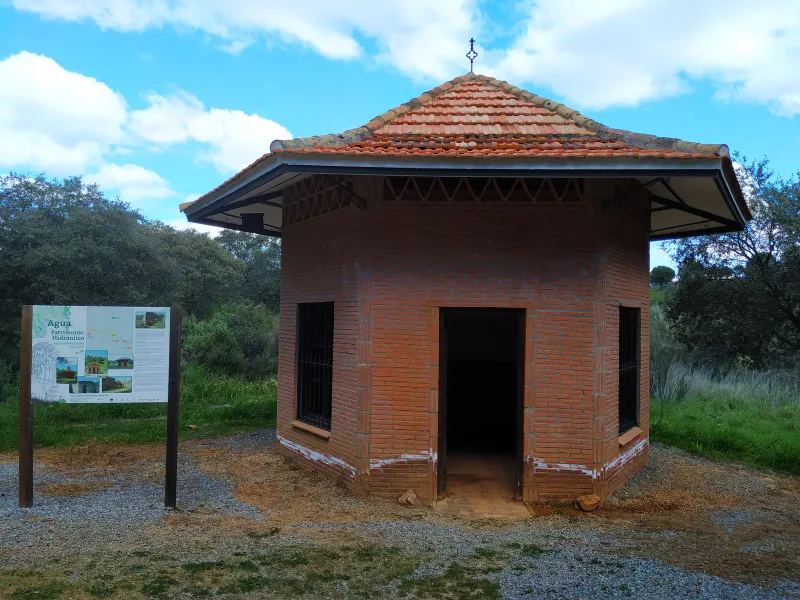
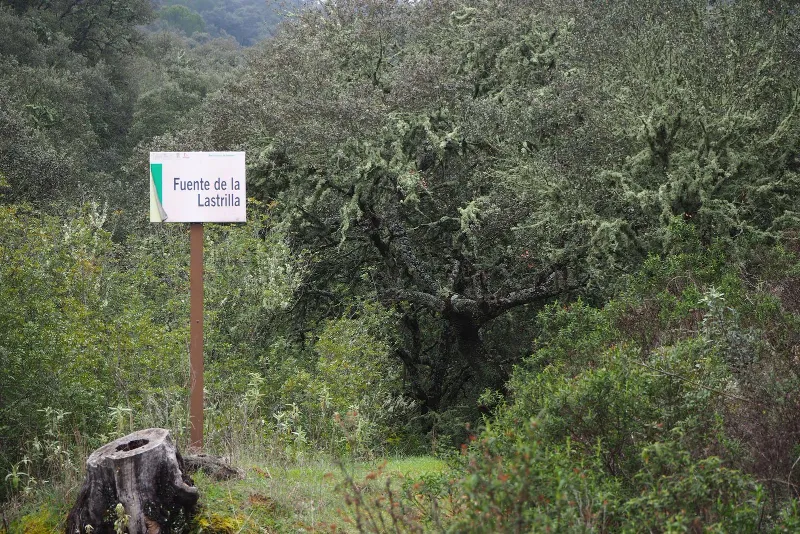
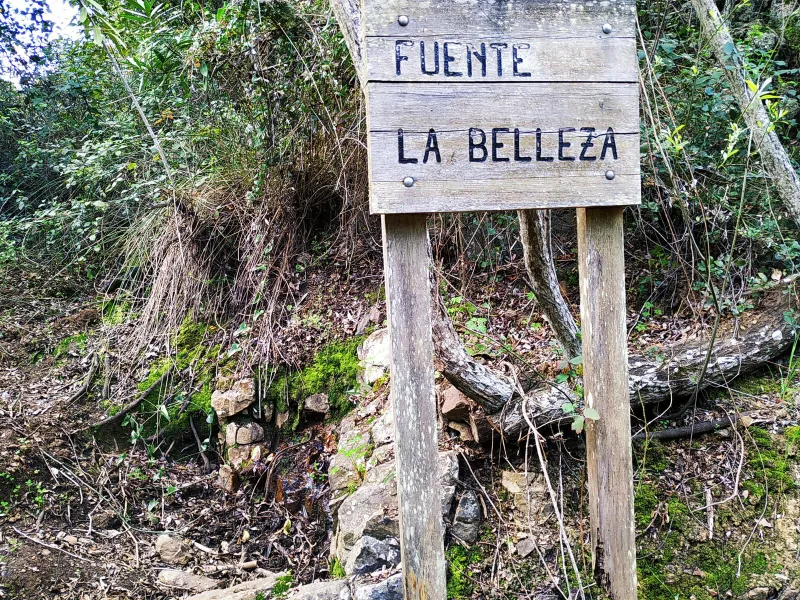
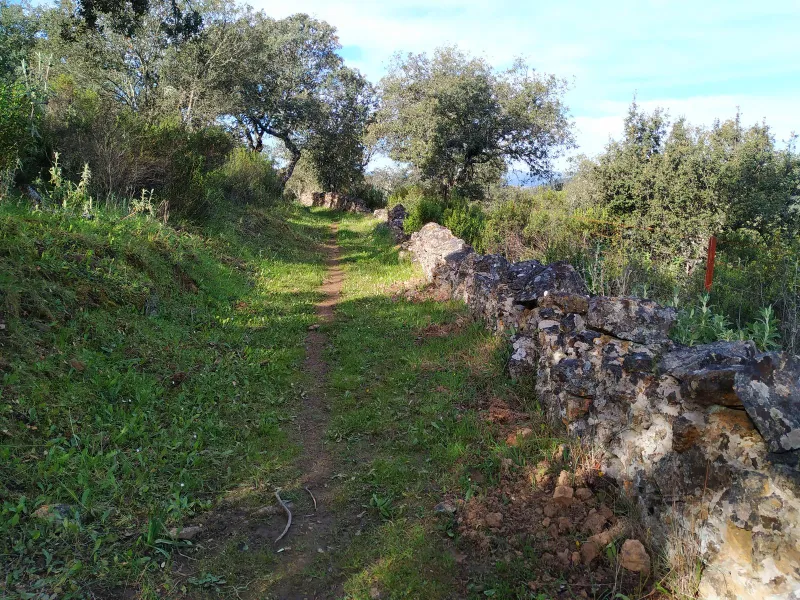
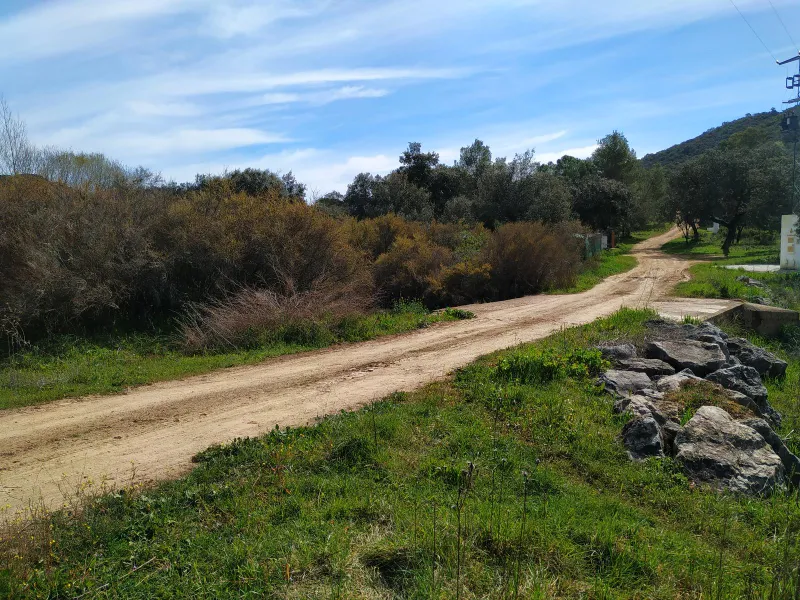
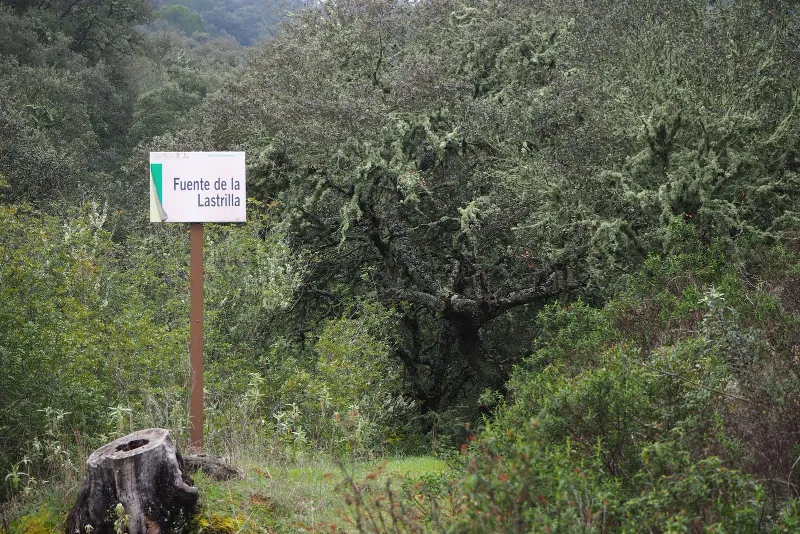
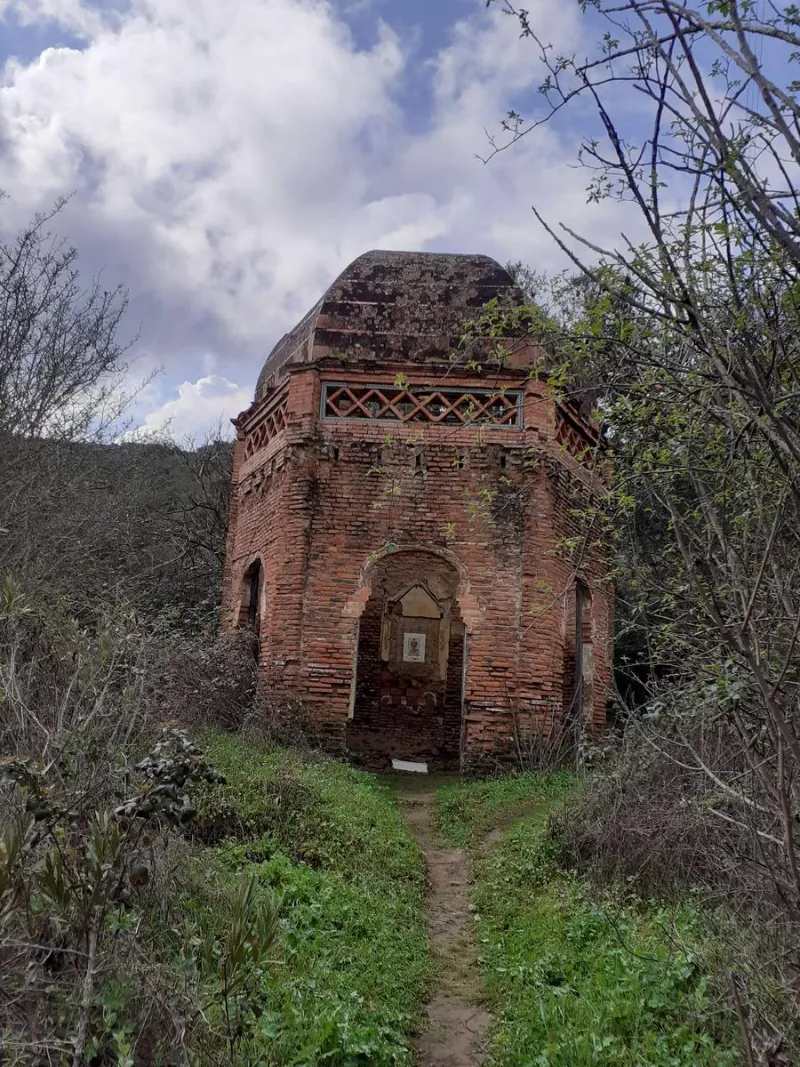
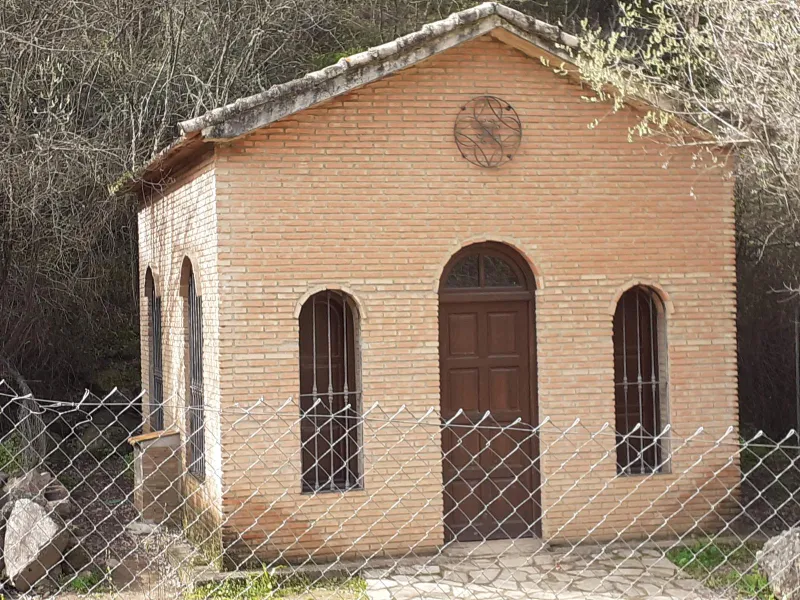
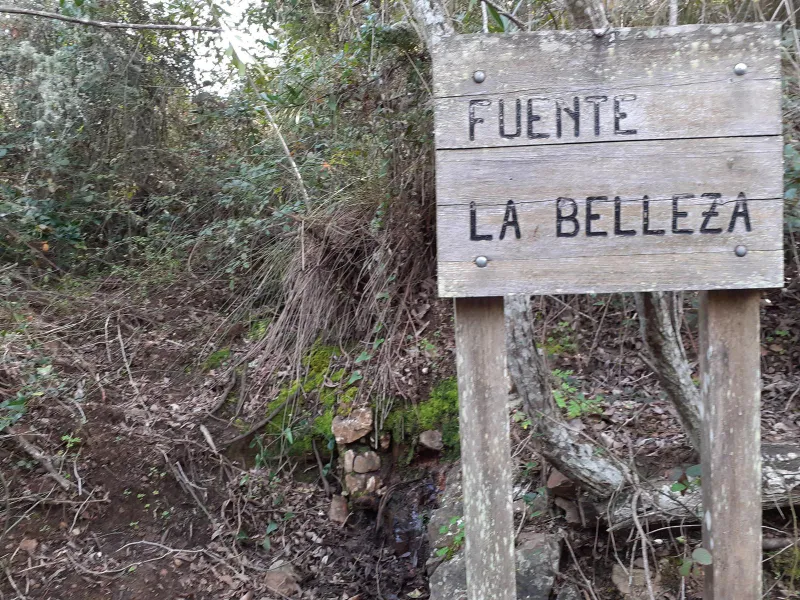
Walking the trail of the Sour Springs of Villaharta is to take a journey back in time to the end of the 19th century, when the waters of Villaharta experienced their most glorious era. The route connects several old paths and will take us to the springs of Boca del Infierno, La Belleza, El Cordel, Malos Pasos, La Lastrilla, and Fuente Agria.
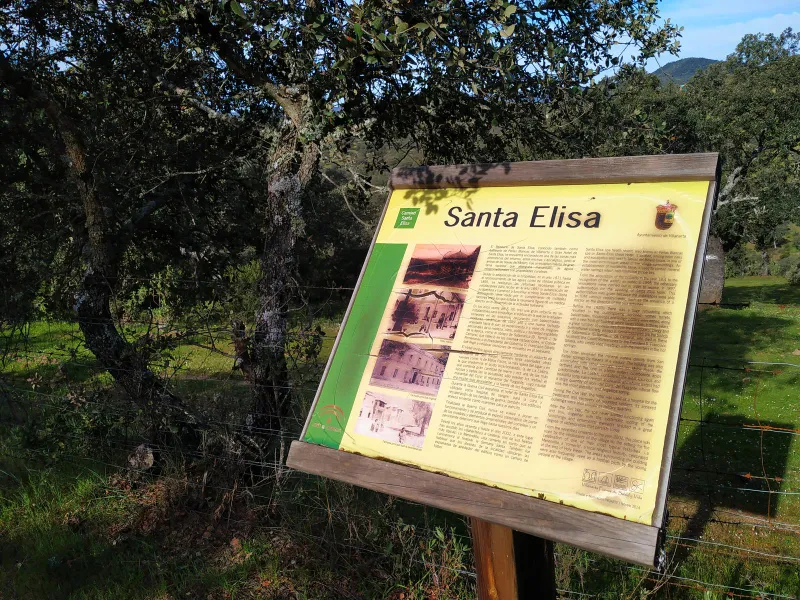
Route of the Sour Springs II (Santa Elisa Spa)
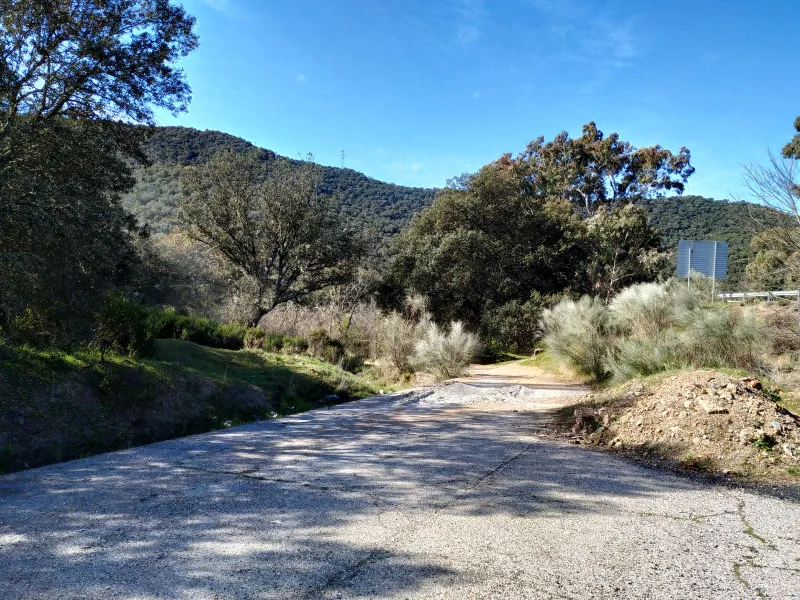
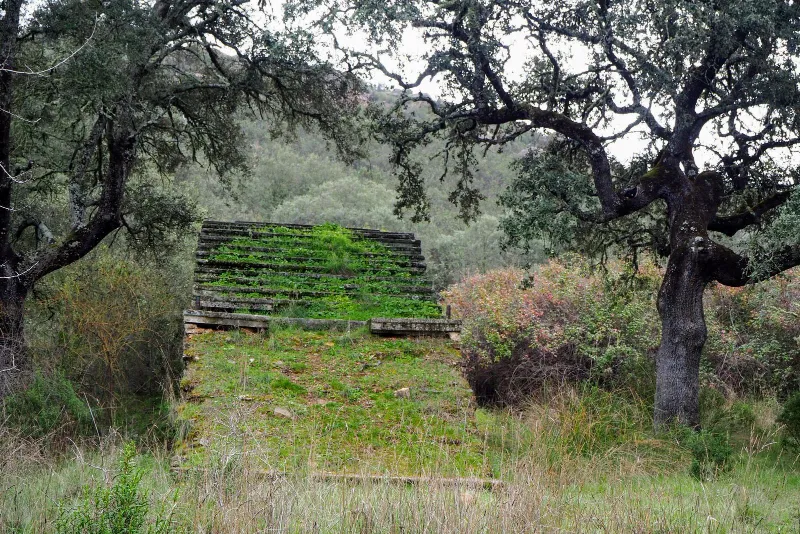
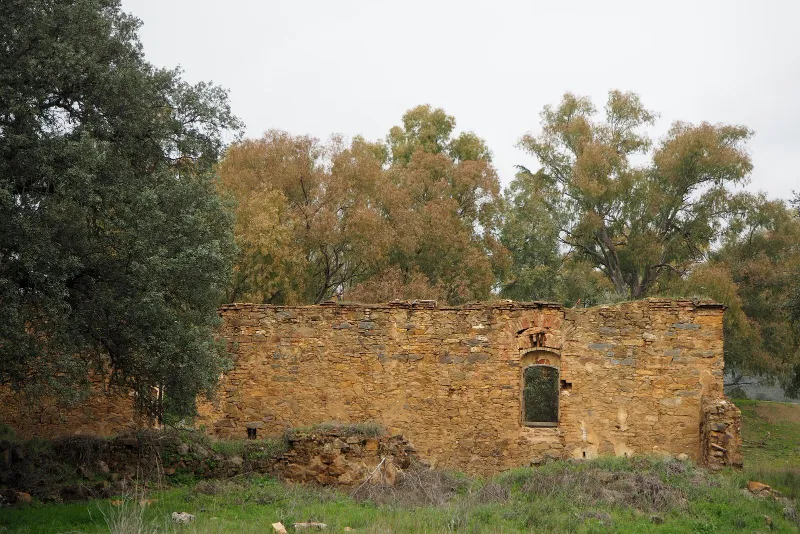
Along this route you will be able to discover the old spa activity in the Dehesa Nueva of Espiel-Villaharta, walking along the old paths that centuries ago the “spa-goers” traveled to take the waters from the San Rafael and La Lastra Springs, staying in the imposing Grand Hotel-Spa of Santa Elisa.
Complete Route of the Sour Springs (Route III)
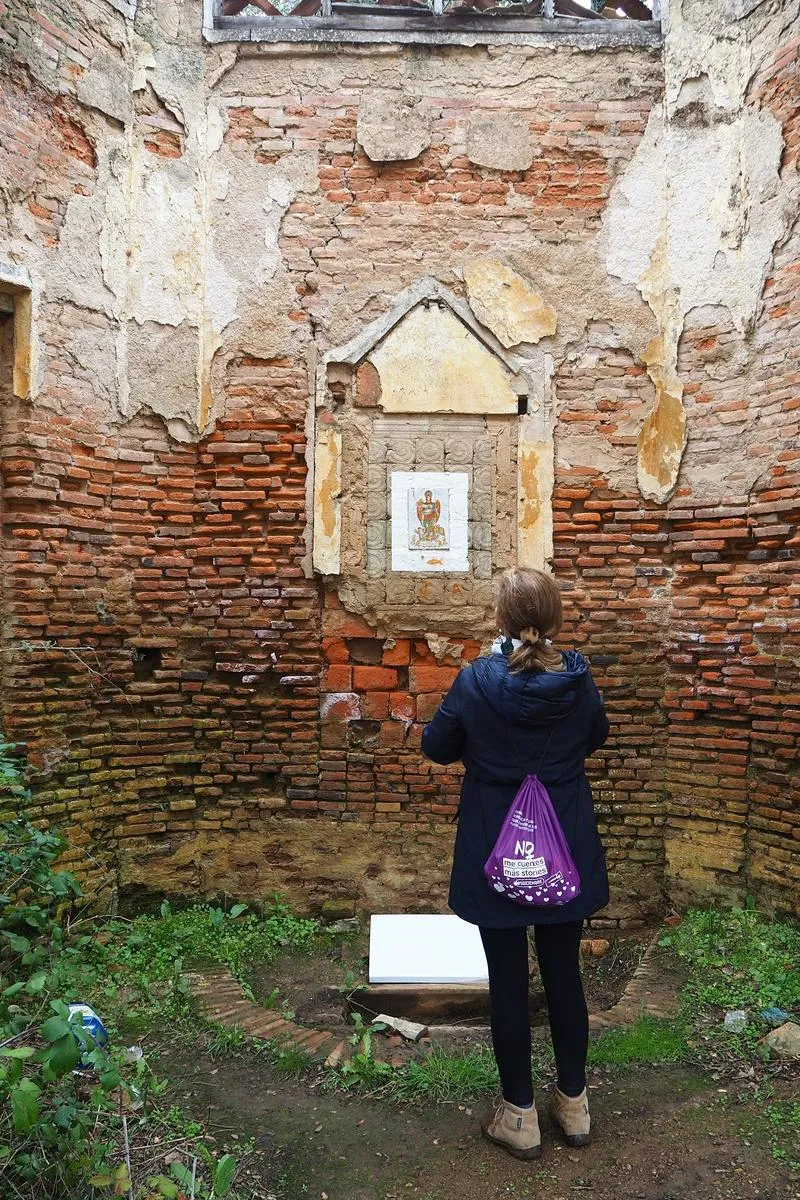
The ultimate itinerary through the history of water in Villaharta. This complete route combines the journey through the Sour Springs of Villaharta and Espiel, visiting La Fuente de Malos Pasos, La Belleza, La Lastrilla, as well as La Lastra and San Rafael, discovering the remains of the two imposing historical spas.
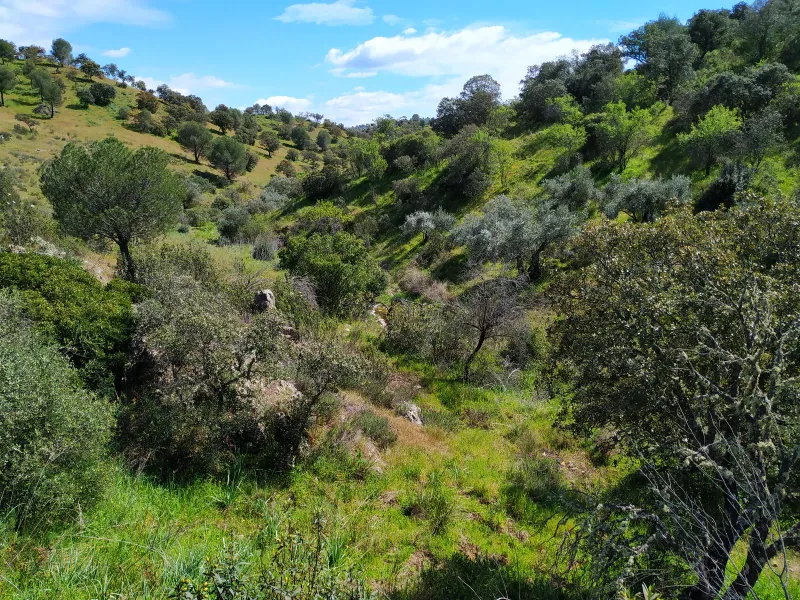
Camino del Molinillo to Arroyo de las Serranas
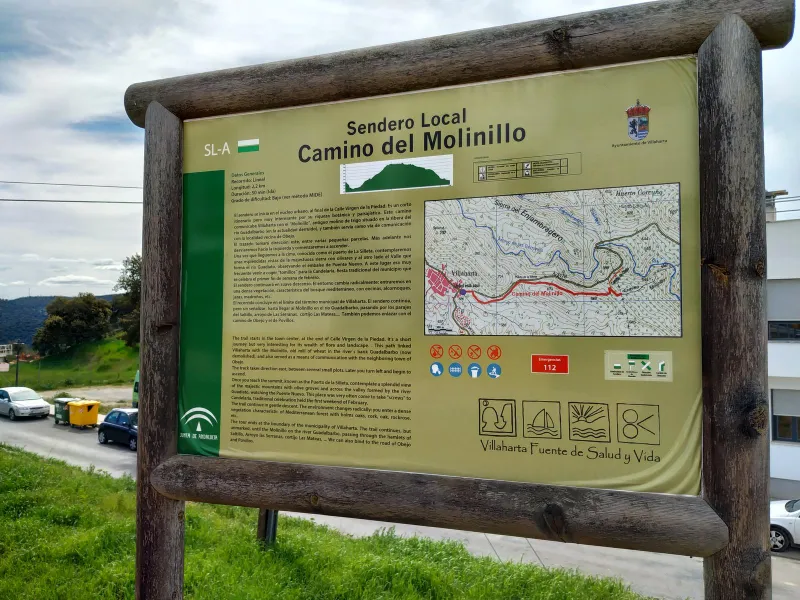
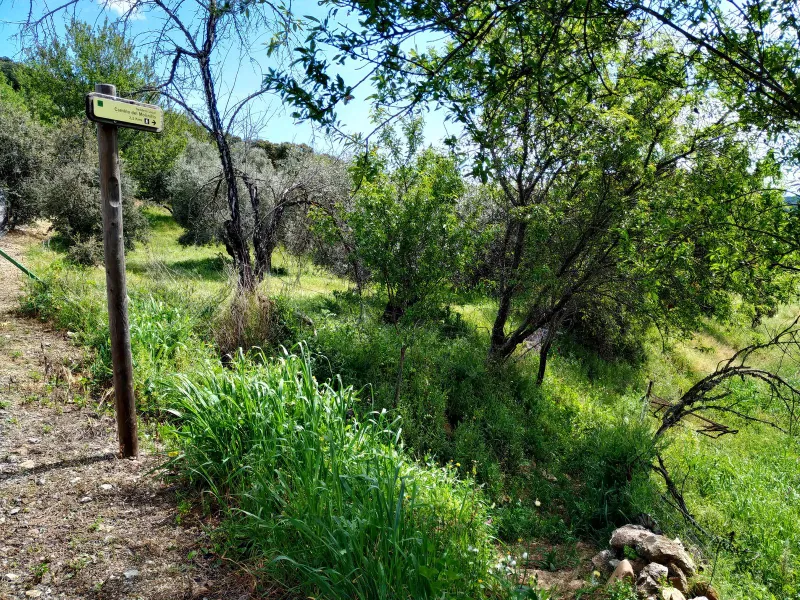
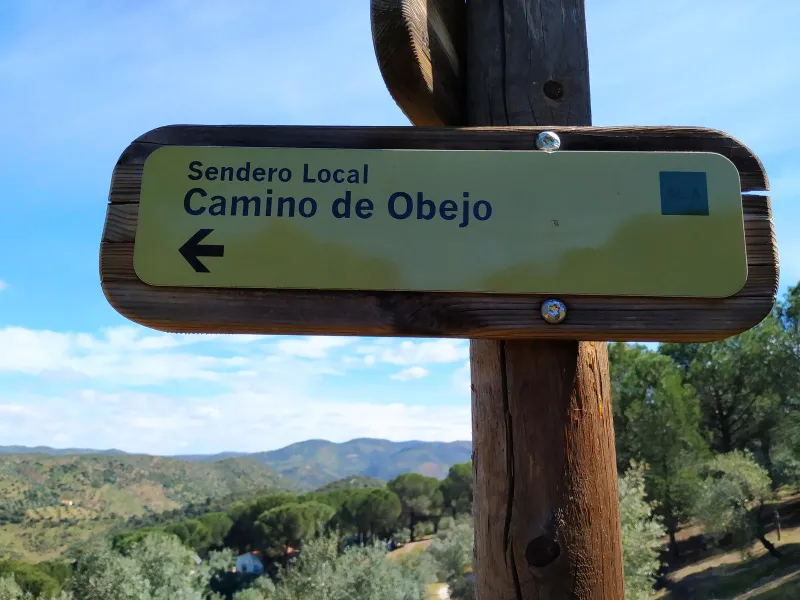
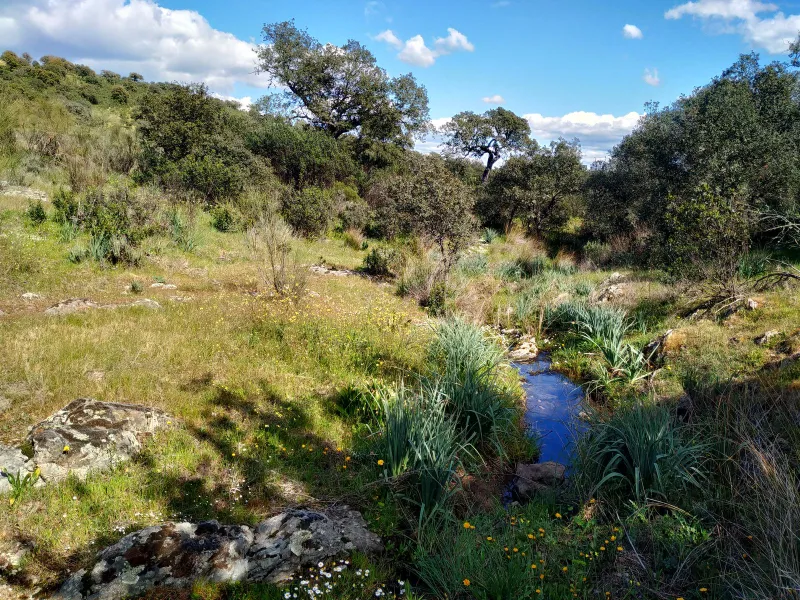
A linear itinerary that is very interesting for its botanical, faunal, and landscape wealth. Historically, it connected the municipality with an old flour mill on the Guadalbarbo river. It passes through the Puerto de la Silleta, offering spectacular panoramic views, until it enters the riparian vegetation of the Arroyo de las Serranas.

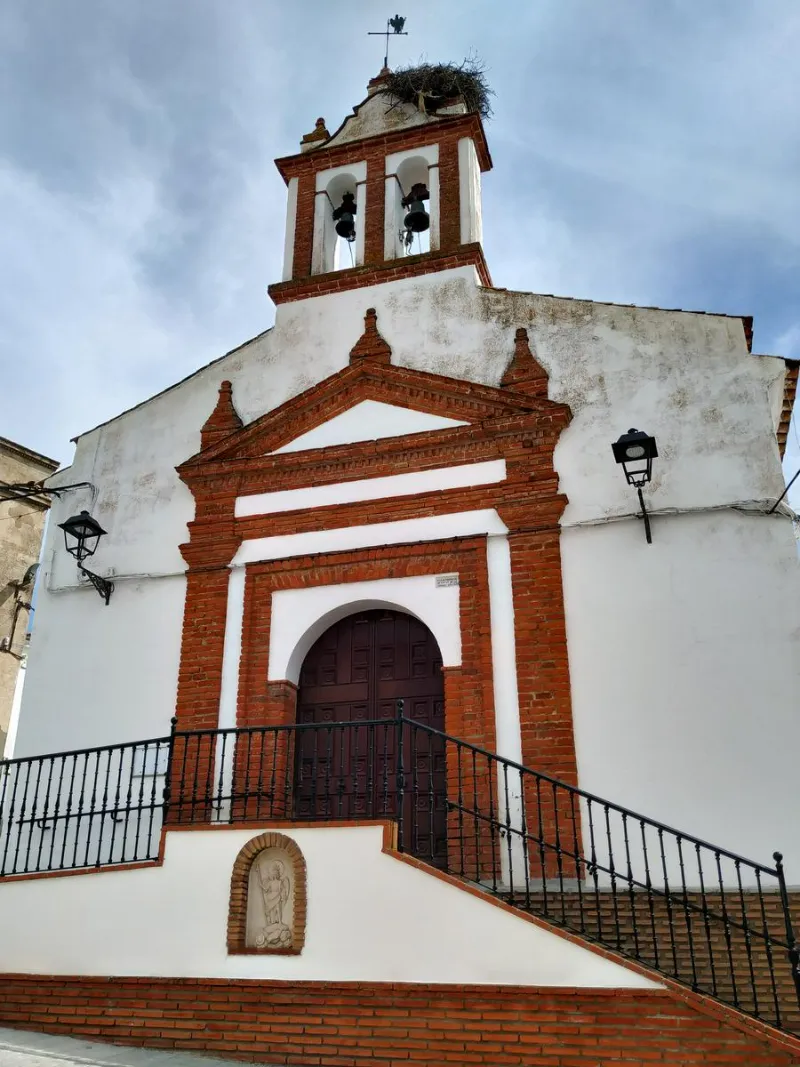
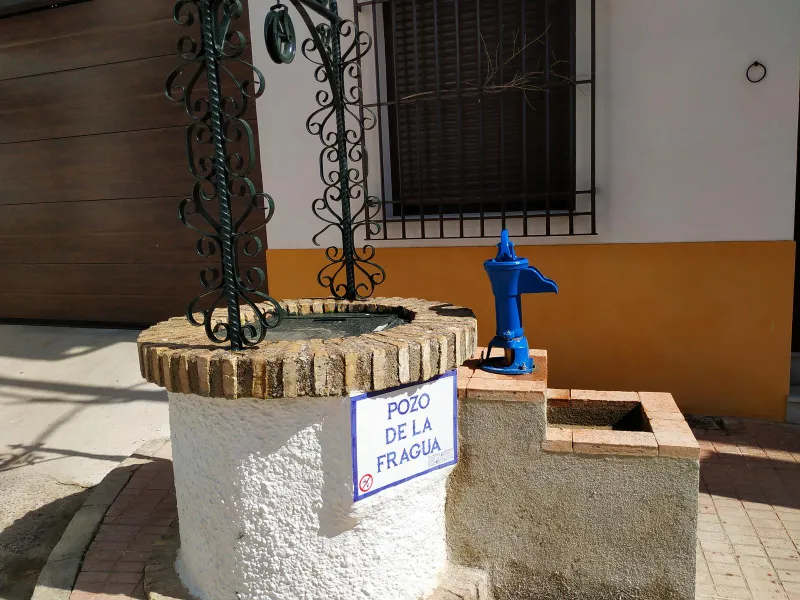
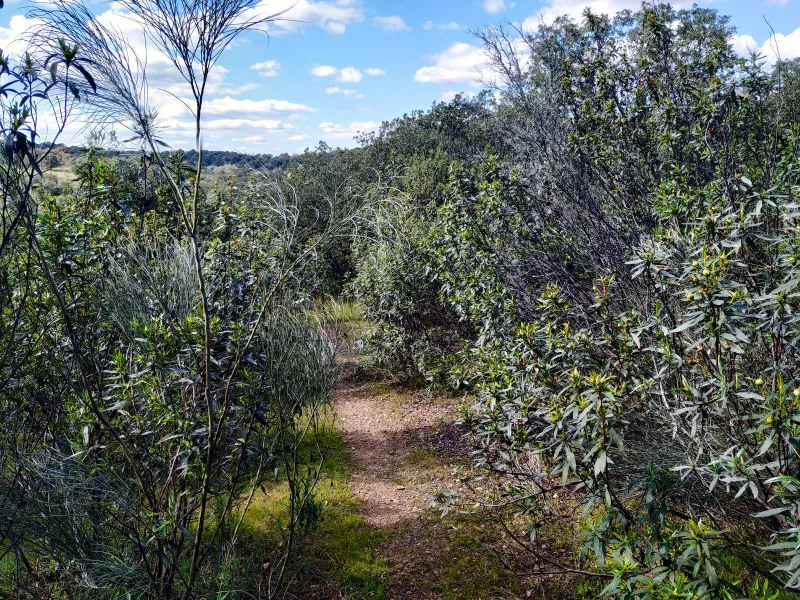
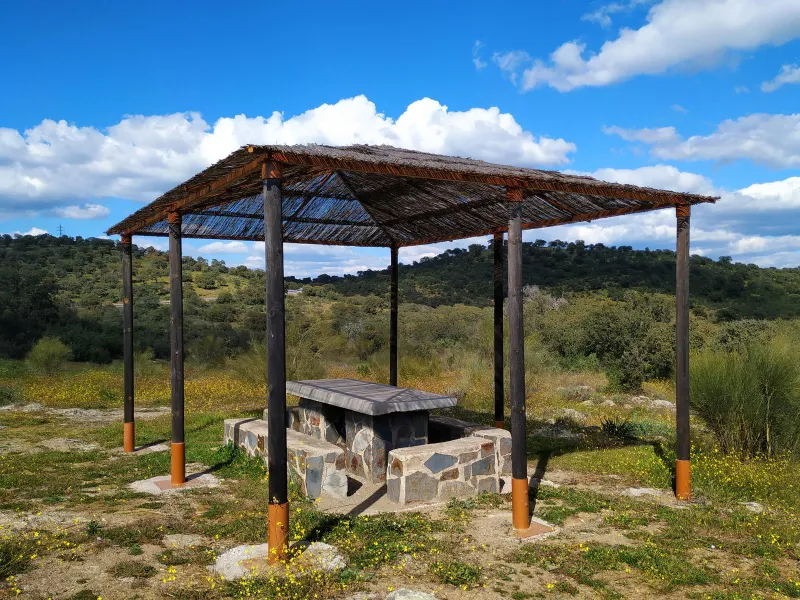
Merendero de Las Serranas – Camino de las Monjas
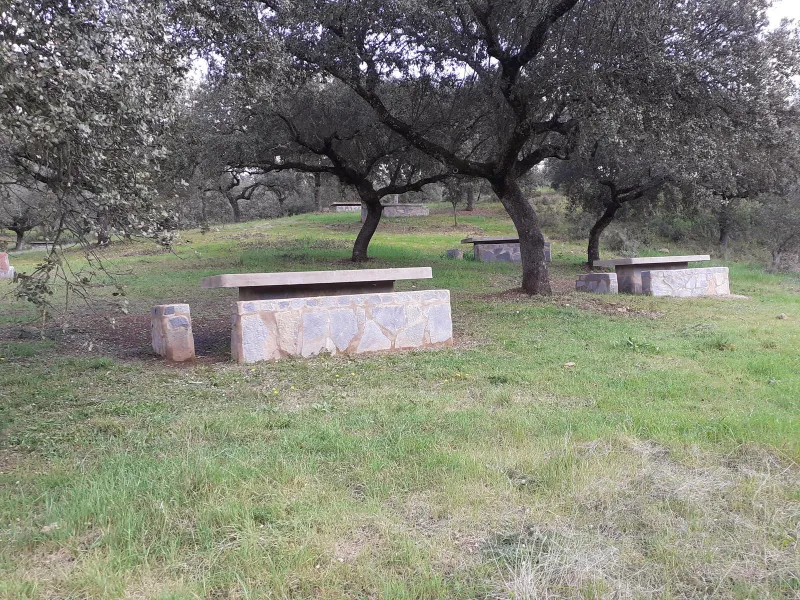
Paths historically heavily traveled by the women of Villaharta to go wash clothes at the stream and by muleteers. It runs along sections of the GR-48 and the Mozarabic Camino de Santiago, offering a rest at the Descansadero de la Cañada Real Soriana, currently set up as a picnic area among holm oaks.
The magic of hiking in Villaharta
Walking through our municipality is like a journey through the memory of water, the legacy of the Belle Époque, and the living heart of Sierra Morena. Discover the treasures hidden in each hiking trail.
The legacy of the Sour Waters
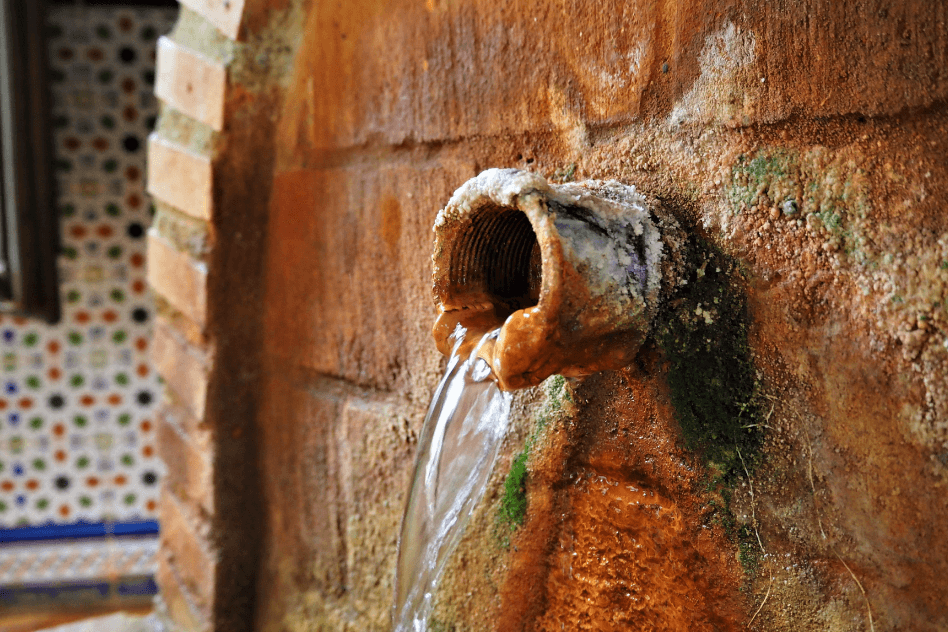
Villaharta guards a liquid treasure: its mineral-medicinal springs. Springs like La Belleza, El Cordel, San Rafael, or the famous Fuente Agria dot our trails, flowing from the very rock.
These waters, loaded with carbonic acid and iron (which give them their characteristic “styptic” or metallic flavor), gained national fame in the 19th century and were even awarded at medical exhibitions. Drinking from them is tasting the very history of the town.
Discover the springs
Echoes of the Belle Époque
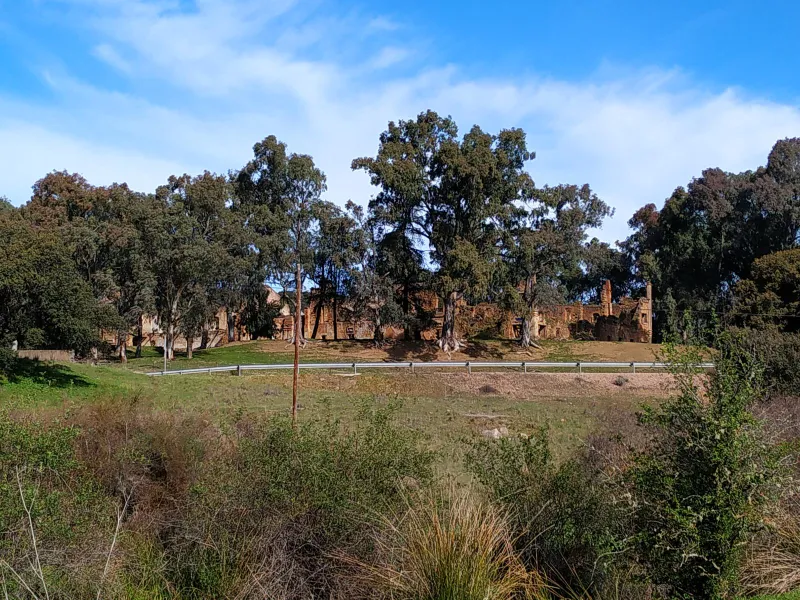
Going into the forest also means stumbling upon the majestic ruins of the old spas. The Grand Hotel of Santa Elisa (or Peñas Blancas), with its turrets and indigo ceramics, is the most imposing.
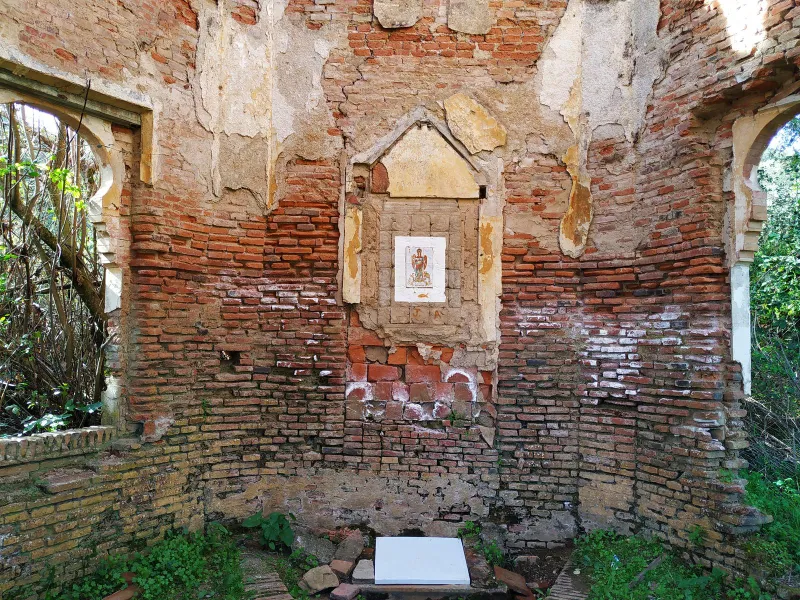
At the beginning of the 20th century, nobility, clergy, and high politicians walked these paths seeking healing. Although today nature has reclaimed the place, the remains of aqueducts, romantic pavilions, and halls give the route a unique magical and nostalgic aura.
In the heart of Sierra Morena
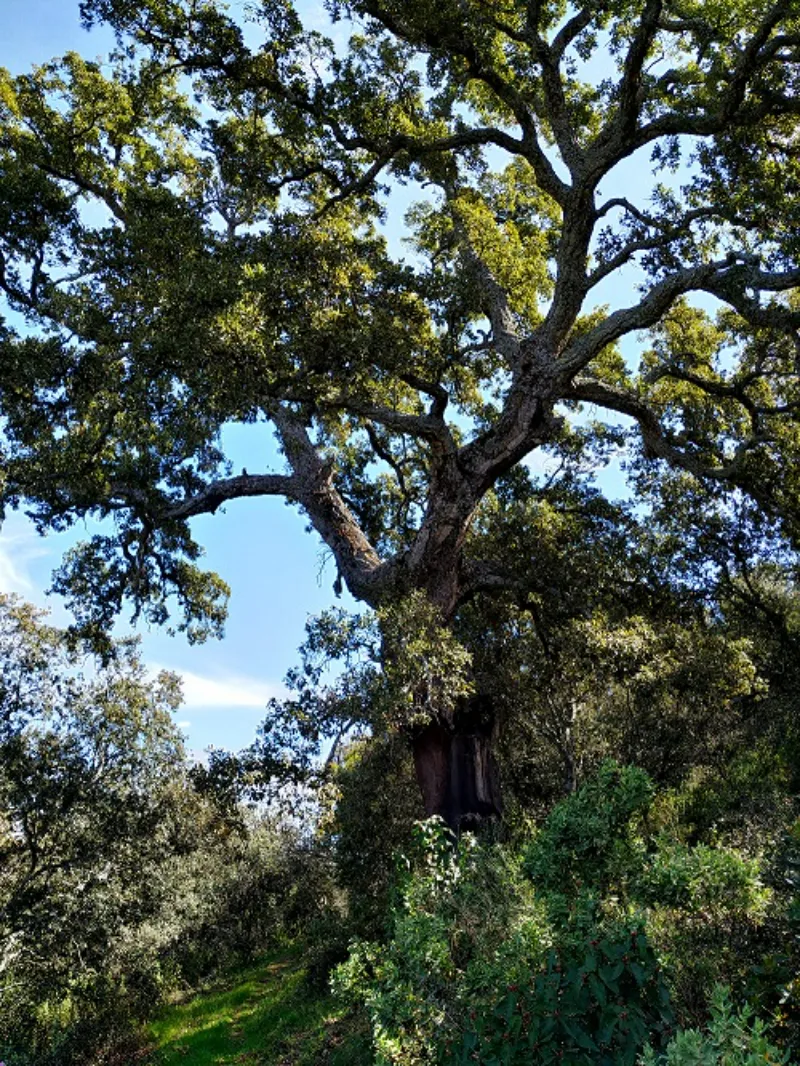
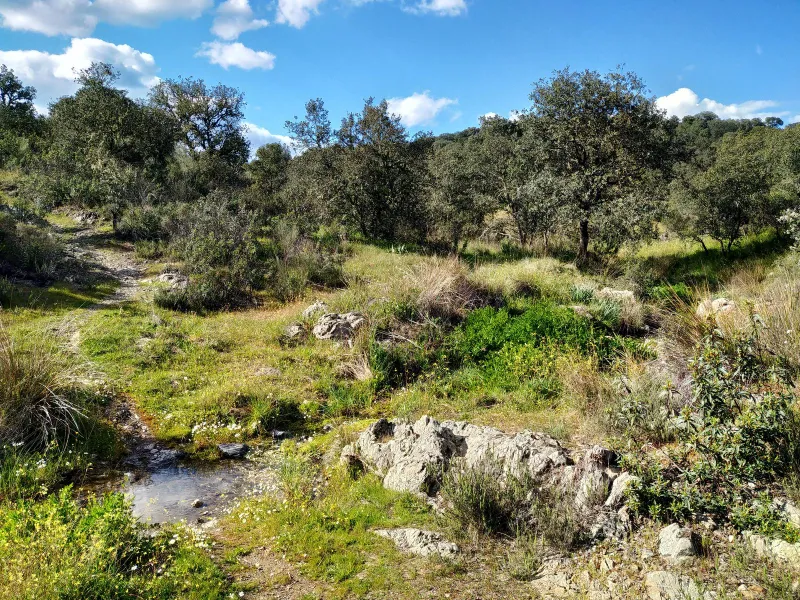
Beyond its history, Villaharta is a green lung. The trails cross dense areas of Mediterranean forest dominated by holm oaks and majestic centuries-old cork oaks with reddish trunks.
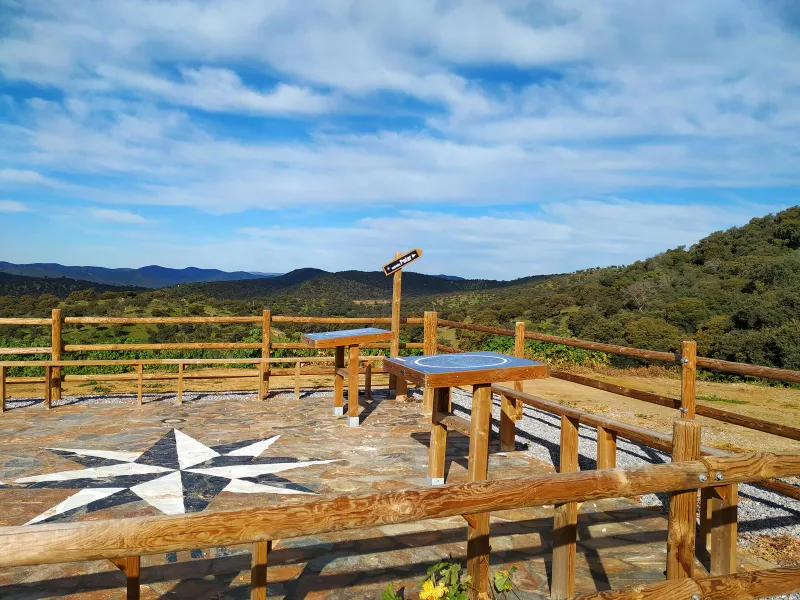
The route immerses you in aromas of sticky rockrose, thyme, and lavender. Areas like the Puerto de la Silleta offer panoramic views of the Guadiato Valley, while the Arroyo de las Serranas offers cool banks where amphibians thrive and you can spot the majestic flight of birds of prey.
Living paths and lost trades
Many of these trails (like the Camino de las Monjas or the Molinillo) coincide with Cañadas Reales, drovers’ roads, and the ancient Mozarabic Camino de Santiago (GR-48).
They are routes carved by the movement of the old muleteers who transported grapes and olives on the backs of mules, and by the women of the town, who went down to the pools of the streams at dawn to wash clothes. Today, spaces like the Merendero de las Serranas invite us to rest where they did.
Discover the Mozarabic route